


GDDR Memory
GDDR Memory is designed for high-speed data transfer, optimized for graphics processing, gaming, and high-performance computing applications. This type of memory enables fast communication between the GPU and system, ensuring smooth rendering of complex visuals and demanding workloads.
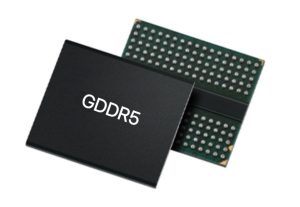
GDDR5
GDDR5 provides high-speed graphics memory with low latency, suitable for GPUs, gaming cards, and performance computing applications. Typical speeds range from 5 Gbps to 8 Gbps.
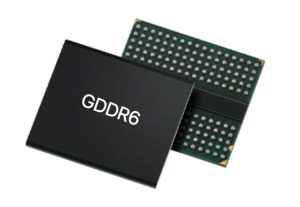
GDDR6
GDDR6 offers improved bandwidth and power efficiency compared to GDDR5, supporting modern graphics cards, AI accelerators, and gaming systems with speeds up to 16 Gbps.
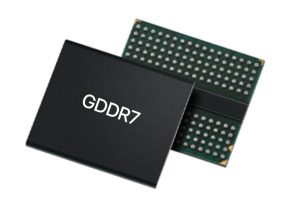
GDDR7
GDDR7 delivers next-generation high-bandwidth memory for advanced GPUs and AI computing, featuring ultra-fast data rates up to 21 Gbps and enhanced energy efficiency.
GDDR Memory Part Number List
| BRAND | PART NUMBER | TYPE | DENSITY | SPEED | PACKAGE |
|---|---|---|---|---|---|
| Samsung | K4G80325FC-HC22 | GDDR5 | 8 Gb | 9 Gbps | FCBGA |
| Samsung | K4G80325FC-HC25 | GDDR5 | 8 Gb | 8 Gbps | FCBGA |
| Samsung | K4G41325FE-HC25 | GDDR5 | 4 Gb | 8 Gbps | FCBGA |
| Samsung | K4G41325FE-HC28 | GDDR5 | 4 Gb | 7 Gbps | FCBGA |
| Samsung | K4G80325FB-HC22 | GDDR5 | 8 Gb | 9 Gbps | FCBGA |
| Samsung | K4G80325FB-HC25 | GDDR5 | 8 Gb | 8 Gbps | FCBGA |
| Samsung | K4G80325FB-HC28 | GDDR5 | 8 Gb | 7 Gbps | FCBGA |
| Samsung | K4ZAF325BM-SC14 | GDDR6 | 16 Gb | 14 Gbps | FCBGA |
| Samsung | K4ZAF325BC-SC14 | GDDR6 | 16 Gb | 14 Gbps | FCBGA |
| Samsung | K4ZAF325BC-SC16 | GDDR6 | 16 Gb | 16 Gbps | FCBGA |
| Samsung | K4ZAF325BC-SC20 | GDDR6 | 16 Gb | 20 Gbps | FCBGA |
| Samsung | K4ZAF325BC-SC24 | GDDR6 | 16 Gb | 24 Gbps | FCBGA |
| Samsung | K4ZAF325BM-HC18 | GDDR6 | 16 Gb | 18 Gbps | FCBGA |
| Samsung | K4Z80325BC-HC12 | GDDR6 | 8 Gb | 12 Gbps | FCBGA |
| Samsung | K4ZAF325BM-HC16 | GDDR6 | 16 Gb | 16 Gbps | FCBGA |
| Samsung | K4Z80325BC-HC14 | GDDR6 | 8 Gb | 14 Gbps | FCBGA |
| Samsung | K4Z80325BC-HC16 | GDDR6 | 8 Gb | 16 Gbps | FCBGA |
| Samsung | K4ZAF325BM-HC14 | GDDR6 | 16 Gb | 14 Gbps | FCBGA |
| Samsung | K4VAF325ZC-SC28 | GDDR7 | 16 Gb | 28 Gbps | FCBGA |
| Samsung | K4VAF325ZC-SC32 | GDDR7 | 16 Gb | 32 Gbps | FCBGA |
| Micron | MT61K512M32KPA-16:C | GDDR6 | 16 Gb | 16GTPS | TFBGA |
| Micron | MT61K512M32KPA-14:C | GDDR6 | 16 Gb | 14GTPS | TFBGA |
| Micron | MT61A512M32KPA-12 AAT:E | GDDR6 | 16 Gb | 12GTPS | TFBGA |
| Micron | MT61M512M32KPA-14 N:C | GDDR6 | 16 Gb | 14GTPS | TFBGA |
| Micron | MT61K512M32KPA-18:E | GDDR6 | 16 Gb | 18GTPS | TFBGA |
| Micron | MT61M512M32KPA-12AAT:E | GDDR6 | 16 Gb | 12GTPS | TFBGA |
| Micron | MT61R512M32KPA-16 AAT:E | GDDR6 | 16 Gb | 16GTPS | TFBGA |
| Micron | MT61K512M32KPA-16:E | GDDR6 | 16 Gb | 16GTPS | TFBGA |
| Micron | MT61K512M32KPA-24:U | GDDR6X | 16 Gb | 24GTPS | TFBGA |
| Micron | MT61K512M32KPA-21:U | GDDR6X | 16 Gb | 21GTPS | TFBGA |
| Micron | MT68A512M32DF-32:A | GDDR7 | 16 Gb | 32GTPS | TFBGA |
| Micron | MT68A512M32DF-28:A | GDDR7 | 16 Gb | 28GTPS | TFBGA |
| Skhynix | H56G42AS4DX014 | GDDR6 | 16 Gb | - | FCBGA |
| Skhynix | H56G42AS2DX014 | GDDR6 | 16 Gb | - | FCBGA |
| Skhynix | H56G42AS6DX014 | GDDR6 | 16 Gb | - | FCBGA |
| Skhynix | H56G42AS8DX014 | GDDR6 | 16 Gb | - | FCBGA |
| Skhynix | H56G32CS4DX005 | GDDR6 | 8 Gb | - | FCBGA |
| Skhynix | H56G32CS2DX005 | GDDR6 | 8 Gb | - | FCBGA |
| Skhynix | H57G42MP4AX004N | GDDR7 | 16 Gb | - | - |
GDDR Memory, also known as Graphics DDR, is a type of high-performance DDR memory widely used in graphics cards and high-performance computing systems. It enables fast data transfer and supports tasks like real-time rendering, AI computation, and video processing, making it essential for modern GPU and HPC applications.
How GDDR Memory Works
GDDR Memory operates by transferring data on both edges of the clock signal, effectively doubling the data rate compared to standard DDR memory. The architecture of GDDR Memory is optimized for continuous, high-bandwidth data movement, making it ideal for:
- Storing and transferring graphical and computational data
- Managing frame buffers and textures
- Handling parallel processing tasks in GPUs and AI accelerators
- Supporting real-time rendering and video workloads
This design ensures that GDDR Memory can efficiently process large datasets and deliver the performance required for modern graphics, gaming, and high-performance computing applications.
Common Types of High-Performance Memory
Different systems require different forms of memory:
- Integrated GPU Modules – Memory connected directly to GPUs for fast graphics performance.
- Discrete Graphics Modules – Dedicated VRAM for gaming, 3D rendering, and video tasks.
- HPC Accelerators – Memory optimized for AI and high-performance computing.
- Development and Evaluation Kits – Platforms for testing memory in hardware designs.
Generations of Graphics DDR
- GDDR5 – Mature and cost-effective
- GDDR6 – Improved bandwidth and energy efficiency
- GDDR6X – Higher speeds for demanding workloads
- GDDR7 – Next-generation memory with enhanced performance
Applications of High-Speed Memory
This type of memory is essential in systems requiring parallel processing and high data throughput:
- Gaming and visualization GPUs
- AI and machine learning hardware
- High-performance computing platforms
- Video encoding and real-time graphics rendering
Benefits of GDDR Memory
The high-bandwidth architecture of GDDR Memory allows systems to process large datasets efficiently. It complements standard DDR memory by managing data-intensive workloads in graphics, AI, and HPC systems.
FAQ – GDDR Memory
Q1: What is GDDR Memory?
A: GDDR Memory (Graphics DDR) is high-bandwidth DDR memory used in graphics cards and high-performance computing systems.
Q2: How does it operate?
A: It transfers data on both edges of the clock signal and is optimized for high-volume continuous data movement.
Q3: What types of memory exist?
A: Integrated GPU modules, discrete graphics VRAM, HPC accelerator memory, and development/evaluation kits.
Q4: What are the common generations?
A: GDDR5, GDDR6, GDDR6X, and GDDR7.
Q5: Where is it used?
A: Gaming GPUs, AI systems, HPC platforms, and video rendering.
Q6: Why is it important?
A: It enables efficient processing of large datasets, essential for graphics, AI, and HPC workloads.
Q7: What precautions should be taken?
A: Ensure proper thermal management, compatible voltages, and adherence to rated speeds and currents.