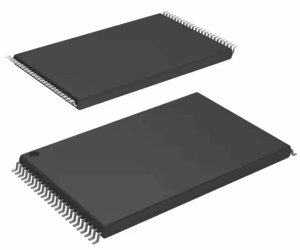


Memory IC Explained: Functions, Features, and Uses
Introduction
Memory IC (Integrated Circuit) is a fundamental component in modern electronics, responsible for storing and retrieving data efficiently. Whether in smartphones, industrial systems, or embedded devices, memory ICs ensure smooth operation and reliable performance.
As electronic systems become more advanced, the demand for high-speed, low-power, and high-capacity memory IC solutions continues to grow.
What Is an IC?
An IC is a semiconductor device used to store digital information. It enables systems to retain data either temporarily or permanently, depending on the type.
Memory ICs are essential in:
- Embedded systems
- Consumer electronics
- Automotive electronics
- Industrial control systems
- Communication devices
Types
ICs are generally classified into two main categories: volatile and non-volatile types.
1. Volatile
Volatile memory requires power to maintain stored data. When power is removed, the data is lost.
RAM (Random Access Memory)
- High-speed data access
- Used for temporary storage
- Essential for system performance
Common Types:
- DRAM (Dynamic RAM)
- SRAM (Static RAM)
2. Non-Volatile
Non-volatile memory retains data even when power is turned off.
ROM (Read-Only Memory)
- Stores fixed data or firmware
- Not easily modified
EEPROM (Electrically Erasable Programmable ROM)
- Electrically erasable and reprogrammable
- Suitable for small data storage
Flash
- Faster and more scalable than EEPROM
- Widely used in SSDs, USB drives, and mobile devices
Key Features
When selecting a memory IC, the following factors are important:
- Storage Capacity – Determines how much data can be stored
- Speed – Affects system performance
- Power Consumption – Critical for portable devices
- Data Retention – Especially important for non-volatile memory
- Interface Compatibility – SPI, I2C, Parallel, etc.
- Endurance – Number of write/erase cycles
Applications
ICs are widely used in smartphones, laptops, tablets, and wearable devices for storing operating systems and user data.
Industrial Systems
Used for storing configuration data, logs, and control parameters in automation equipment.
Automotive Electronics
Applied in infotainment systems, navigation, and advanced driver-assistance systems (ADAS).
Communication Equipment
Routers and network devices use memory ICs for buffering and data processing.
Embedded Systems
Microcontrollers and embedded platforms rely on memory ICs for firmware and data storage.
Why Memory IC Is Important
They are critical because they:
- Enable fast data access and processing
- Store essential system instructions
- Improve overall system efficiency
- Support modern digital applications
Without them, electronic devices would not be able to operate effectively.
Choosing the Right Memory IC
Choosing the right component depends on your application requirements:
- Use RAM for speed and temporary storage
- Use Flash or EEPROM for data retention
- Consider capacity vs cost balance
- Ensure compatibility with your system interface
Conclusion
ICs are the backbone of modern electronic systems, providing essential data storage and retrieval functions. From volatile types such as RAM to non-volatile types like Flash and EEPROM, each serves a specific purpose.
Understanding these differences helps engineers and buyers make better decisions when designing or sourcing electronic components.
About Us