


eDRAM for ASICs and SoCs
eDRAM for ASICs and SoCs is high-speed on-chip memory embedded directly into chips, providing fast access to frequently used data. As a result, it improves performance, reduces power consumption, and enables more compact system designs.
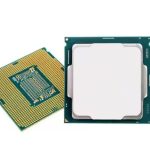
GPU Internal High-speed eDRAM
High-speed cache memory embedded within the processor, Capacity ranges tens to hundreds of MB, Enhances processor and SoC performance by reducing latency and improving throughput
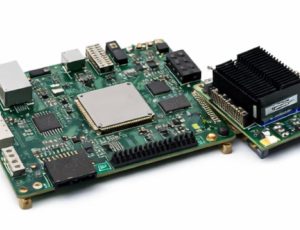
Embedded System / ASIC eDRAM
Dedicated high-speed graphics memory built into the GPU, Capacity from several to tens of MB, Optimizes rendering, image processing, and graphics-intensive applications with faster frame rates
Embedded Processor Integrated eDRAM
Temporary data buffer for embedded systems and ASICs, Capacity from hundreds of KB to a few MB, Supports real-time data processing and efficient handling of transient or intermediate data
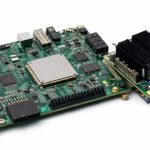
Programmable eDRAM KIt
Integrable into custom ASIC, SoC, or FPGA designs as on-chip cache or temporary storage, providing HDL/Verilog/VHDL or physical macro units to implement eDRAM functionality.
What is eDRAM for ASICs and SoCs?
Simply put, eDRAM for ASICs and SoCs (Embedded Dynamic Random Access Memory) is DRAM memory embedded directly within a chip, such as an ASIC, SoC, or GPU. Unlike external DRAM, eDRAM for ASICs and SoCs provides high-speed on-chip storage with lower latency, higher bandwidth, and reduced power consumption.
By integrating eDRAM for ASICs and SoCs directly into the chip, engineers enable devices to operate faster, consume less power, and occupy less space. Systems require fewer external memory modules, making them more compact and efficient. Furthermore, this integration improves overall system reliability.
Learn more about our eDRAM for ASICs and SoCs solutions on the Faith New Dawn Limited eDRAM page.
How eDRAM for ASICs and SoCs Works
eDRAM for ASICs and SoCs consists of tiny memory cells built directly into the chip. These cells temporarily store data for fast access. For example, eDRAM for ASICs and SoCs can:
- Cache frequently used data to accelerate processing
- Buffer graphics and frame data for GPUs
- Support real-time storage in embedded systems
Because eDRAM for ASICs and SoCs resides on-chip, devices operate faster and require fewer external components. Engineers can design smaller, more reliable, and energy-efficient electronics. Moreover, this setup allows for smoother graphics rendering and faster AI computations.
Types of eDRAM
The main types of eDRAM include:
- Embedded Processor Integrated eDRAM – Integrated directly into a processor or SoC, serving as a high-speed cache for real-time data processing.
- GPU Internal eDRAM – Embedded within graphics processors to accelerate rendering and image processing.
- Embedded System / ASIC eDRAM – Fixed-capacity memory integrated into custom ASICs or embedded systems for temporary storage and caching.
- Programmable eDRAM IP / Development Kit – Configurable memory IP or macro units for ASIC, SoC, or FPGA designs, allowing designers to implement custom eDRAM blocks.
By understanding these types, engineers can select the right memory solution for each application. In contrast, using the wrong memory type may reduce performance or increase power consumption.
Applications of eDRAM
eDRAM is widely used across many industries:
- Consumer Electronics – Smartphones, laptops, tablets, and gaming consoles
- Automotive Systems – Engine control units, driver-assistance systems, and infotainment platforms
- Industrial Automation – Robotics, sensors, and factory control equipment
- Graphics and AI – GPUs, AI accelerators, and neural network processing
- Embedded Systems – SoCs and ASICs requiring real-time temporary storage
Overall, eDRAM helps devices become smaller, faster, and more energy-efficient. Therefore, it plays a critical role in both consumer and industrial electronics.
Why eDRAM is Important
eDRAM provides fast, low-power on-chip memory that reduces reliance on external memory and improves system reliability. Moreover, it supports compact, high-performance designs for modern applications such as AI processing, automotive electronics, and embedded systems. As a result, engineers can achieve higher performance without increasing power consumption or system size.
Contact Us
We supply a wide range of embedded memory solutions, including eDRAM IP cores, ASIC/SoC integrated memory, and development kits. For more details, please contact our technical team. You can also explore our related memory products to find the right solution for your project.
FAQ – What is eDRAM?
1. What does eDRAM stand for?
eDRAM stands for Embedded Dynamic Random Access Memory.
2. What is the function of eDRAM?
It provides high-speed on-chip memory for caching, graphics buffering, and temporary storage. As a result, devices operate faster while consuming less power.
3. What are the types of eDRAM?
- Embedded Processor Integrated eDRAM
- GPU Internal eDRAM
- Embedded System / ASIC eDRAM
- Programmable eDRAM IP / Development Kit
4. Where is eDRAM used?
In consumer electronics, automotive systems, GPUs, AI accelerators, embedded systems, and industrial devices.
5. Why is eDRAM important?
It enables faster, smaller, more reliable, and energy-efficient devices. Furthermore, it reduces external memory requirements.
6. Can I use eDRAM in custom projects?
Yes. Programmable eDRAM IP can integrate into ASICs, SoCs, or FPGAs to implement custom high-speed memory solutions.
To learn more about our integrated circuits and memory products, please visit the ICs and Memory pages.