


EEPROM Memory
EEPROM (Electrically Erasable Programmable Read-Only Memory) is a non-volatile memory type commonly used in embedded systems and electronic devices. It allows data to be electrically written and erased, making it ideal for storing configuration settings, calibration data, and small-scale persistent information.
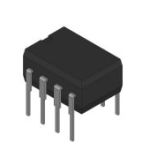
I²C EEPROM – Small Capacity
(1 Kbit–32 Kbit)
Small-capacity I²C EEPROM in DIP-8 or SOIC-8 packages, including models like 24C01/24C02, highly reliable and ideal for microcontroller settings, device identification, and short-term data storage.
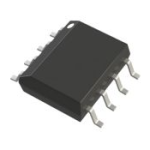
I²C EEPROM – Medium Capacity (32 Kbit–512 Kbit)
Medium-capacity I²C EEPROM in SOIC-8 or TSSOP-8 packages, including 24C16/24C32/24C64, perfect for microcontroller configurations, lightweight data logging, and industrial control parameters.
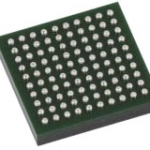
I²C EEPROM – Large Capacity
(512 Kbit–2 Mbit)
Large-capacity I²C EEPROM in TSSOP-8 or WLCSP packages, including AT24CM02/24CM16, suitable for IoT device configurations, firmware upgrades, and high-volume data storage.
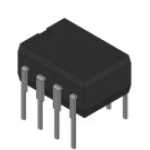
SPI EEPROM – Small Capacity
(32 Kbit–128 Kbit)
Small-capacity SPI EEPROM in SOIC-8 or DIP-8 packages, such as 25C32/25C64, ideal for high-speed data caching and short-term log storage.
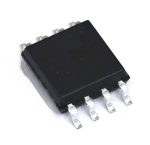
SPI EEPROM – Medium Capacity
(128 Kbit–512 Kbit)
Medium-capacity SPI EEPROM in SOIC-8 or TSSOP-8 packages, including 25C128/25C256, perfect for firmware storage and industrial control data.
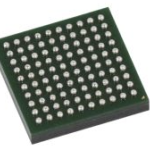
SPI EEPROM – Large Capacity
(512 Kbit–2 Mbit)
Large-capacity SPI EEPROM in SOIC-8 or WSON-8 packages, suitable for consumer electronics data storage and IoT firmware upgrades.
SPI EEPROM – Extra Large Capacity
(2 Mbit and above)
Extra-large-capacity SPI EEPROM in WSON or BGA packages, ideal for high-capacity data storage, large firmware upgrades, and IoT devices.
EEPROM Memory Description
EEPROM memory stores data even when power is removed. It features byte-level or page-level erase/write capabilities and supports flexible interfacing for embedded system designs. Typically available in small packages, EEPROM offers reliable data retention and endurance for long-term use.
Key Features of EEPROM Memory
- Non-volatile memory retaining data without power
- Byte-level or page-level programmable
- Multiple interface options (I²C, SPI, Microwire)
- Low power consumption
- High endurance for repeated write/erase cycles
- Compact package for space-constrained designs
Why Choose EEPROM Memory?
- Reliable data storage for configuration and calibration
- Easy integration into embedded systems
- Suitable for industrial, consumer, and automotive applications
- Efficient operation with low power requirements
Typical Applications
- Embedded systems
- Industrial control and automation
- Consumer electronics
- IoT devices and smart sensors
- Automotive electronics
Key Specifications
- Memory Density: 1 Kbit – 4 Mbit (varies by model)
- Interface: I²C, SPI, Microwire
- Supply Voltage: 1.8 V – 5.5 V
- Operating Temperature Range: -40°C to +85°C
- Package Types: DIP, SOIC, TSSOP, WSON
- Endurance: 1 million write/erase cycles
- Data Retention: 10 – 20 years
FAQ for EEPROM Memory
- What is EEPROM used for?
EEPROM is used to store small amounts of data that must persist after power is removed, such as device settings or calibration parameters. - What are the key features of EEPROM?
Non-volatile, electrically erasable, supports multiple interfaces, high endurance, and low power consumption. - What supply voltage is required?
Typical EEPROM operates between 1.8 V and 5.5 V. - Which interfaces are supported?
I²C, SPI, and Microwire are commonly supported. - What package types are available?
DIP, SOIC, TSSOP, and WSON are standard package options. - What is the operating temperature range?
EEPROM typically operates from -40°C to +85°C. - Is EEPROM suitable for industrial applications?
Yes, it is widely used in industrial control, automation, and general-purpose embedded systems. - Can additional technical details be provided?
More specific datasheets and application notes can be provided upon request.
To learn more about our integrated circuits and memory products, please visit the ICs and Memory pages.
You can visit our YouTube channel.
Notice: Any content related to EEPROM memory provided for “learning or technical study purposes” is for reference only and should not be considered official product documentation or specifications.