


What Is a Chip? Understanding Integrated Circuits (ICs)
What Is a Chip?
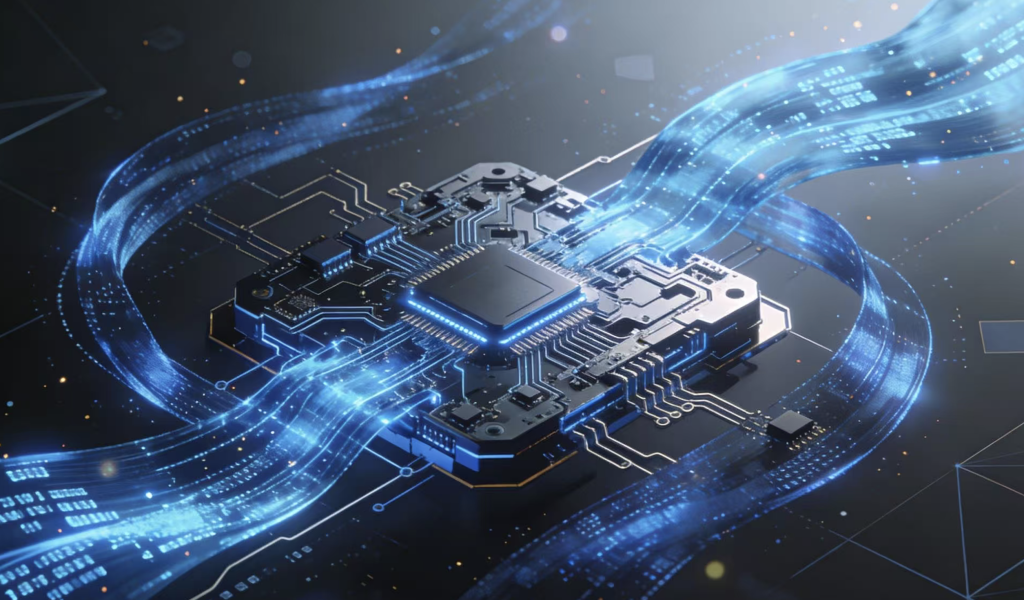
A chip, also known as an integrated circuit (IC), is a small electronic device made from semiconductor material, usually silicon. It integrates many tiny electronic components—such as transistors, resistors, and capacitors—onto a single piece of silicon to perform specific electronic functions.
Chips are the core components of modern electronic systems. They process data, control devices, store information, and manage electrical signals. Without chips, most electronic products would not be able to operate.
For more information about integrated circuits, please visit the ICs page.
More about Faith New Dawn Limited
What Is a Chip and How Does It Work?
A chip contains millions or even billions of microscopic transistors. In fact, these transistors act as tiny electronic switches that turn electrical signals on and off. By combining and carefully organizing these switches into complex circuits, chips can not only perform calculations but also process information and control electronic operations.
Moreover, manufacturers fabricate the entire circuit on a silicon wafer using advanced semiconductor processes such as lithography, etching, doping, and deposition. These steps, in turn, allow precise control of circuit features and ensure reliable functionality.
Types of Chips Used in Electronic Devices
Electronic devices use several common types of chips:
- Processor Chips
Processor chips, including CPUs and microcontrollers (MCUs), perform calculations and directly control electronic system operations. - Memory Chips
Memory chips store data and program information. Examples include DRAM, Flash memory, and EEPROM. - Analog and Power Management Chips
These chips regulate voltage, amplify signals, and manage power distribution across circuits. - Logic Chips
Logic chips process digital signals and execute logical operations in electronic systems.
How Manufacturers Produce Chips
Chip production involves multiple precise steps. Manufacturers design the layout, create masks, and etch circuits onto silicon wafers. Then, they dope, deposit, and test the chips to ensure each one functions correctly.
Chips serve many industries, such as:
- Smartphones and computers
- Automotive electronics
- Industrial equipment
- Communication systems
- Consumer electronics
- Medical devices
Because chips control essential functions, they form the foundation of modern electronics and digital technology.
Why Chips Matter in Modern Electronics
A chip is compact yet highly complex. It integrates numerous micro-scale circuits on a single piece of semiconductor material. By enabling computation, control, storage, and communication, chips act as central building blocks for nearly all modern electronic devices.
For additional details about electronic components, please visit our Contact Us page.
Applications of Chips Across Industries
In addition to consumer electronics, chips play a crucial role in numerous industries. For example, in automotive electronics, chips control engine performance, safety systems, and infotainment features. Furthermore, in medical devices, they enable precise monitoring, data processing, and life-saving diagnostics. Consequently, the demand for reliable and high-performance chips continues to grow rapidly across all sectors. Therefore, understanding chip technology becomes essential for innovation and development in modern electronics.