


What is PCB and PCBA?
PCB and PCBA: The Secret That Makes Your Electronics Come Alive
The smartphone, laptop, or even smartwatch in your hand all contain a small board inside. You may not see it, but it’s the behind-the-scenes hero that makes your device “come alive.” These are PCB (Printed Circuit Board) and PCBA (Printed Circuit Board Assembly). Don’t worry—we’ll explain in simple terms what they are, what they do, and how they are made.
To learn more about our integrated circuits and memory products, please visit the ICs and Memory pages.
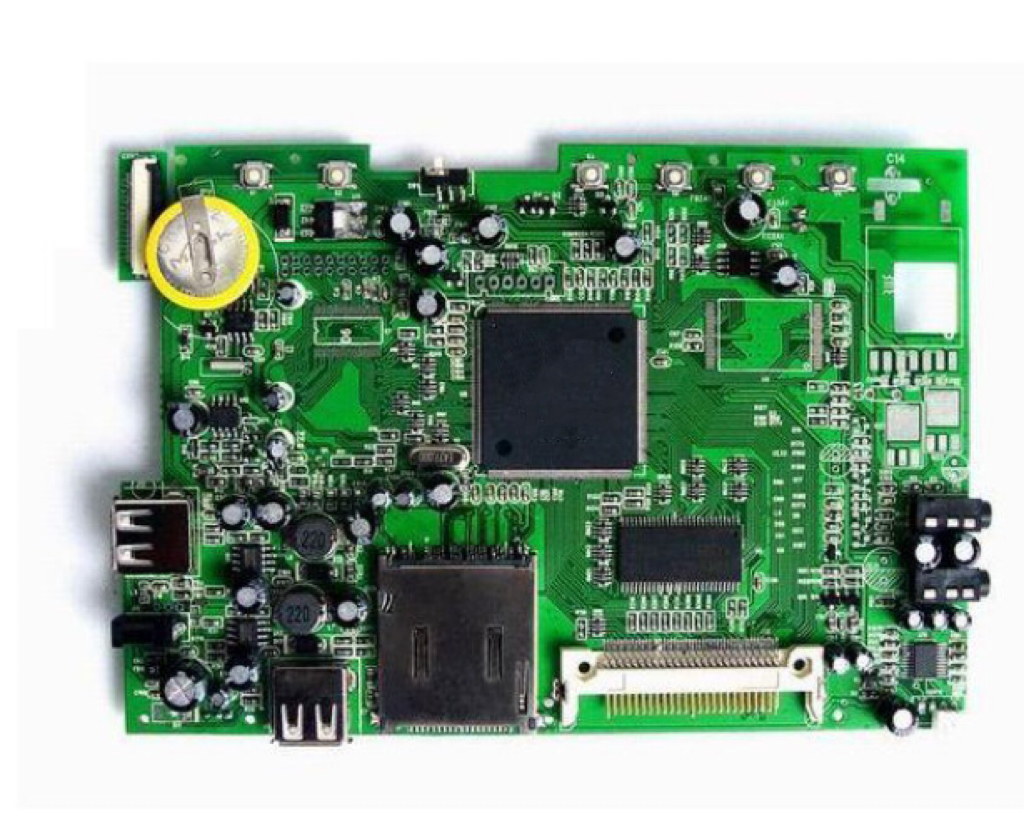
1. PCB: The Skeleton of Your Device
Imagine your device as a building. The PCB is the skeleton and plumbing of that building. It provides structural support and delivers “electrical blood” to every corner through copper traces.
Quick Facts:
- Single-layer, double-layer, and multi-layer boards each serve different purposes
- Materials include FR-4, CEM-1, and ceramic
- A PCB alone cannot function; it needs components to “come on stage”
Analogy:
The PCB is like the “skeleton” of your phone. Without it, the components have nowhere to go, and the device simply won’t work.
2. PCBA: The Magic That Makes Devices Work
When components such as resistors, capacitors, and chips are mounted on the PCB, it becomes a PCBA—a fully functional electronic board.
- PCB = Skeleton
- PCBA = Heart + Brain
Manufacturing Process (in simple terms):
- Clean the PCB and inspect the copper traces
- Mount components using SMT or DIP (like putting clothes on the skeleton)
- Solder to secure the components
- Perform functional testing to ensure everything works
- Final inspection and packaging
3. PCB vs PCBA: At a Glance
Feature | PCB (Bare Board) | PCBA (Assembled Board) |
Definition | Only the substrate and traces | Functional board with mounted components |
Function | Provides support and electrical connections | Performs electronic functions |
Ready to use? | No | Yes |
Analogy | Skeleton | Heart + Brain |
4. Real-Life Applications of PCB/PCBA
- Smartphones, tablets, laptops: Every touch relies on them
- Automotive electronics: Dashboards, ECUs, ADAS systems
- Smart home devices: Smart switches, cameras
- Industrial equipment: Controllers, sensors
- Medical devices: Monitors, diagnostic equipment
- AI & robotics: Control boards, drive modules
Summary: PCB = skeleton, PCBA = the soul of the device—they’re inseparable.
5. Industry Trends for PCB/PCBA
- High-Density Interconnect (HDI) Boards: Make phones smaller and more powerful
- Flexible / Rigid-Flex Boards: Essential for foldable phones and wearables
- Smart Manufacturing: AI-assisted inspection reduces defects
- Eco-Friendly Production: Lead-free soldering and green materials
- High-Speed / High-Frequency Boards: Support 5G and data centers
6. FAQ
Q1: What’s the difference between PCB and PCBA?
A: PCB is the bare skeleton; PCBA is the functional board that makes devices “come alive.”
Q2: Can a PCB be used directly?
A: No, it needs components to function.
Q3: What does a PCB include?
A: Substrate, copper traces, surface finish, solder mask, and silkscreen.
Q4: How is PCBA manufactured?
A: Components are mounted, soldered, tested (AOI/ICT/FCT), and finally packaged.
Q5: What types of PCB exist?
A: Single-layer, double-layer, multi-layer, flexible, and rigid-flex boards.
Q6: Where are PCB/PCBA used?
A: Smartphones, laptops, cars, smart home devices, industrial equipment, medical devices, AI/robots.
Q7: How to choose a PCB/PCBA manufacturer?
A: Check certifications, experience, production capacity, and quality control processes.
PCB is the “skeleton” of your device, while PCBA is the “heart and brain” that makes it work. Next time you pick up your phone, remember the small board silently powering your world.
One-Sentence Summary:
PCB = Skeleton; PCBA = Functional Module; together, they make your electronics run.
The DRV411AIRGPR integrates a precision analog front-end for magnetic sensors, converting magnetic field inputs into accurate digital signals. It supports a wide range of industrial and automotive applications with stable performance.